Content Warning– Whilst I have carefully crafted this blog to be as sensitive as possible, readers might find some issues hard to read. Please bear in mind that I have written this in the mindset of a worst-case scenario, and only a few of these stressors might apply to any given person. Every autistic individual has varying levels of sensitivities and tolerances. There is a glossary at the end of this page for any terms you might not know.
The screaming, crying, moaning, whining of “can we go?” or sitting on the floor (either from them or yourself), otherwise known as being short on options and needing to bring a child along with you to the shops. Based on my own experiences of going to the shops as a child, and research into the experiences of others, I will walk you through an idea of what is going on from their perspective. Not all of these stressors will apply to your autistic loved one, but some might in varying intensities.
1- New… Everything
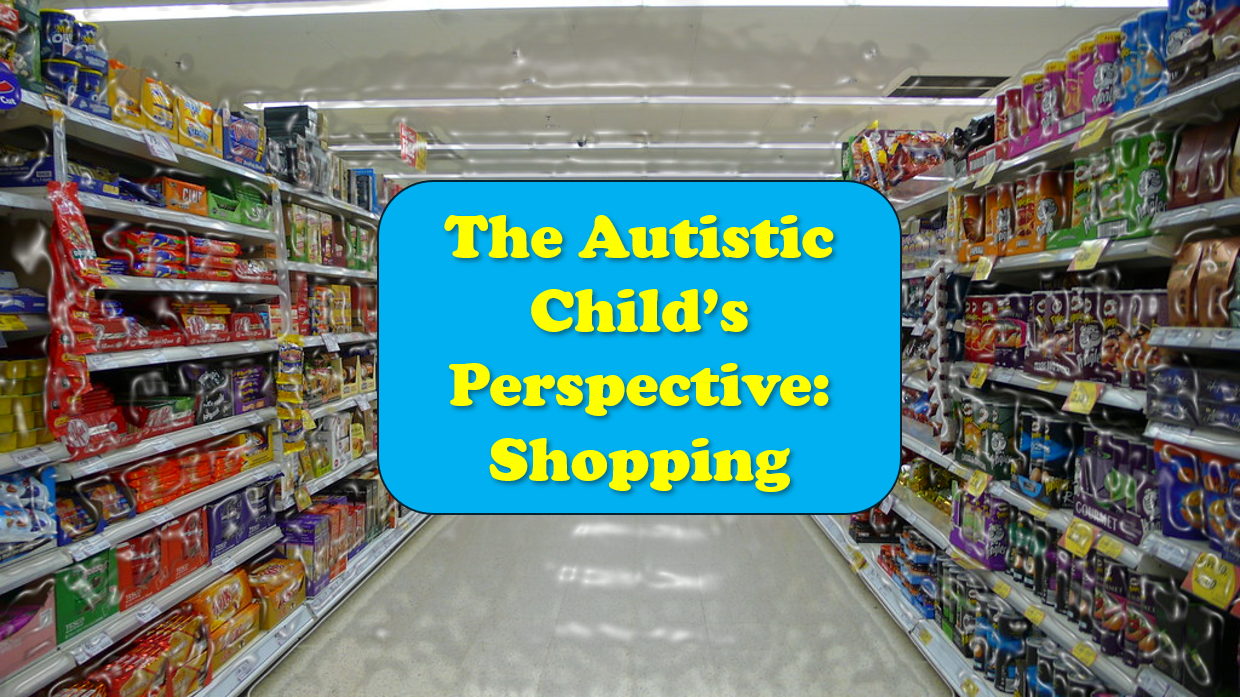
No matter how many times you take them to the shops, there will always be something new to look at. New displays, new layouts, or new products that we haven’t seen before. Even the weather can change the whole perspective of the shops in town and make them look unfamiliar. When an autistic child experiences these places, their brain needs to process an overload of new information all at once. They are taking in the sights, sounds, colours, smells and worst of all, strangers – who get too close, have funny faces, smell weird, talk too loudly and most importantly, who we can’t predict. They don’t know who these people are, whether they will get too close, if they are threatening or friendly, and a lot of other worries come to mind. They might try to block them out, but the threat of strangers is always lurking in the back of their minds, alongside trying to process all the new sensory input around them.
2- Beeping Scanners, Buzzing Fridges and Other Background Noises
Whilst all this new information is coming in, they also need to multitask and take in the noises around them. There is a lot of noise in shops and supermarkets that are typically filtered out, but the autistic brain doesn’t work that way; every single noise comes in, unfiltered, which makes it very hard to focus. There are two kinds of ways that these noises might lead to overwhelm:
- Constant attrition – continuous noises that stand out over the rest. Particularly those like the fans in fridges, the beeping of the barcode scanners (why are they so loud?) and shop music. These noises can burn them out over time.
- Sudden loud noises – things that startle them, like security alarms, items being dropped, or sudden shouting from people. These abrupt noises can set off a fight or flight response, which is unpleasant and often sparks anxiety.
3- Sore Legs and Achy Bodies
In the experience so far, there are a lot of new things to take in: sights, sounds, smells, people they don’t know, and it starts to overwhelm their senses – It can be a tiring experience. Then, when it’s been an hour or so, an ache might start in their legs or feet. Children spend most of their time at school, playing in the house, or relaxing on the sofa with their parents, so the stop-start nature of shopping would eventually be noticeable in the muscles they don’t normally use. Pain can be overstimulating in its nature and can add to the overall overwhelm.
If not from the walking, in a highly stressful situation, the discomfort from the sensory overload can manifest in physical pain such as headaches or tense muscles. This may be when they start acting out from frustration such as physical displays of discomfort like outbursts. They aren’t doing this to be malicious; they are reacting to the overload of stress on their bodies.
4- I’m Booooored!
This is one that every caregiver might have heard. There’s nothing for them to do whilst the adults do their shopping, all they have is the clothes on their back and an adult’s hand dragging them around. But having nothing to do can be harder on an autistic child. They are:
- Taking in a heap of new sensory input
- Wary of all the strangers around them
- Being bombarded with constant and unexpected noises
- Beginning to feel sore in their feet
- Tense from the stress
- And there are no distractions from it all
Autistic children rely on fidgeting or stimming to calm themselves down in stressful settings like this; without it, the stress can get worse. They might start stimming with their clothes or breakable shop items nearby, or in extreme cases, through self-injury.
5- Out of the Loop
As adults, we don’t always have a plan for shopping, just a list and a vague plan in our heads. We don’t often share this plan with the children with us; we just try and get it done quickly so we don’t bore them for too long. But their head is spinning from the sensory overload, their feet are hurting, they are avoiding the strangers all around them, with no distractions, and without knowing the plan, they have no idea how much longer this is going to go on. They might become upset, frustrated or even angry as this goes on for longer and they become increasingly burnt out, sometimes without even knowing that is what is happening
What to take with you from all of this
I have walked through some of the potential stressors that might affect an autistic child whilst shopping. It is not my intention at all to cause fear or shame – I don’t want you to stop taking your autistic loved one to the shops. I want to raise awareness by bringing these trigger points to attention. Be aware that they may be uncomfortable; check in with them, take regular breaks, and be aware of their stress indicators. It is important that they experience these stressful situations so that they can learn to cope better with them over time. A lot of autistic children love experiencing new places like the shops.
Some things that might help with stress are:
Using ear defenders
Taking regular breaks to a quiet area
Keeping the trip as brief as possible
Bringing plenty of fidget toys
Walking them through what you are currently doing and where you are going next
Chatting to them about where you are and how it works
Having them do an activity they enjoy when they get home to unwind
Rewarding them – even telling them how well they did is a reward
There may be other things that work for specific individuals but overall, some of these things can help. Remember that using ear defenders or similar audio aids will put them at risk of dangers that we use our ears to detect, such as cars, fire alarms, or shouts of warning; consider using ear protection that doesn’t completely block out noise.
The End
It is my hope that at the end of this blog I will have opened your eyes to some of the things that cause stress to our autistic loved ones so that you can better understand why they react the way that they do.
Talk to them
Comfort them after a loud, unexpected noise
Encourage them to stim either with their own toys or any objects they are allowed to touch in a shop,
Ask them how they are feeling
Or, if they can’t communicate, keep an eye out for their usual stress indicators
Take regular breaks
And praise them for doing so well
Also, be aware that autism in girls can present completely differently from boys; whilst boys will actively show their discomfort, masking autistic girls may not.
As always, these blogs are focused on the general autistic experience – not everyone will have the same sensitivities or tolerances. Never take these blogs as 100% accurate for describing your autistic loved one’s true experience.
Glossary:
Burnout: Autistic fatigue and burnout happen when the pressures get too much, and you end up suffering from extreme exhaustion.
Masking: A strategy used by some autistic people, consciously or unconsciously, to appear non-autistic.
Sensory Overload: When a person has become overwhelmed by sensory inputs. They have taken in too much sensory information, and they cannot process any more.
Stimming: Many autistic people use repeated movements (like hand flapping or spinning) and/or repeated behaviours (like saying a word or listening to a song on repeat) for sensory stimulation, to keep calm or to express joy.
These definitions are from the National Autistic Society (2026): https://www.autism.org.uk/

Leave a Reply